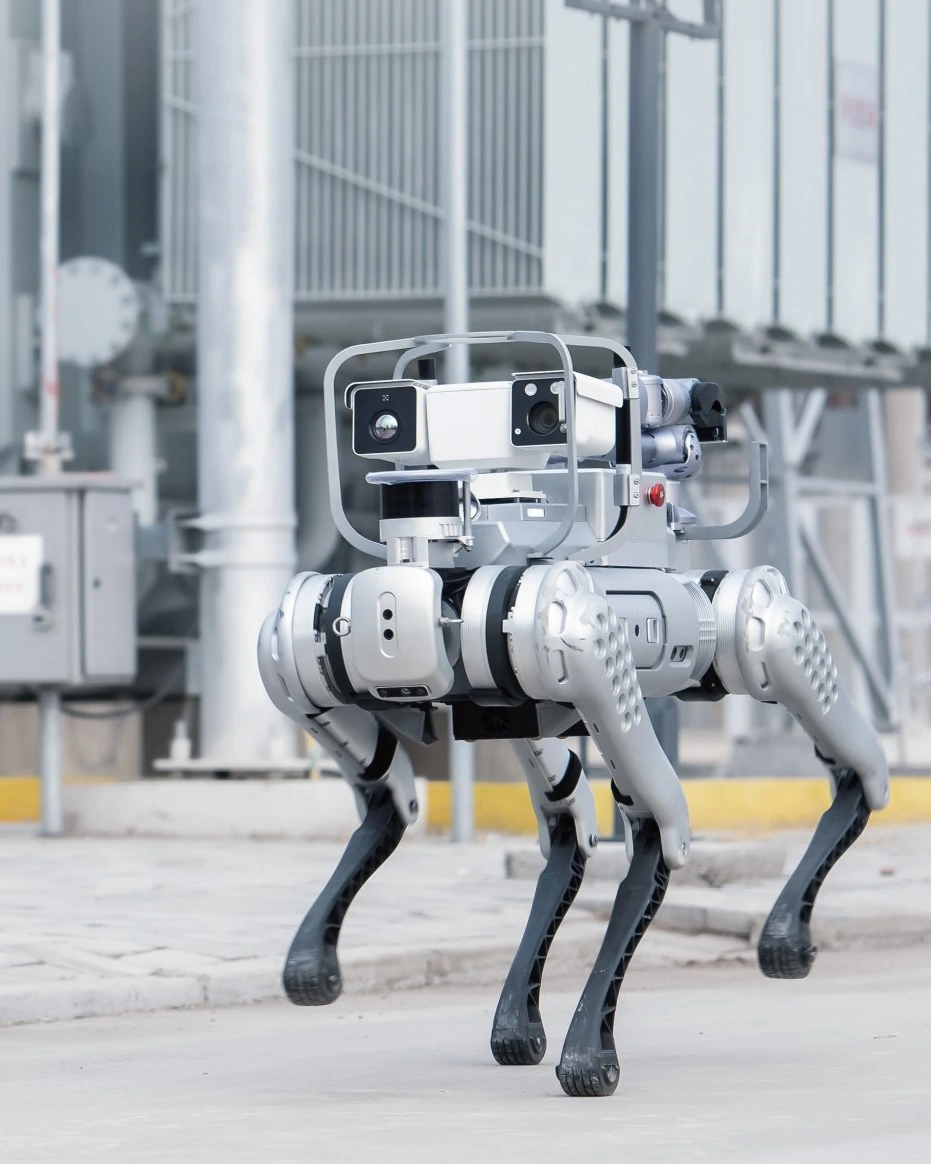
QINQI Robotics integrates quadruped platforms, thermal imaging, gas detection and AI software into inspection systems that replace people in hazardous environments — oil & gas plants, substations, mines and emergency scenes.
Plant walkdowns in explosive atmospheres, substation rounds at 3 a.m., post-incident reconnaissance inside burning buildings. Each task is dangerous, repetitive and expensive — and staffing it is getting harder.
Workers performing manual rounds in Zone 1 areas, energized switchyards or post-blast structures are exposed to preventable risk every shift.
Handheld readings miss trends. Gauges are read late, thermal anomalies go unnoticed until failure, and records are incomplete for audits.
Two to three technicians per shift, 24/7 coverage, contractor premiums and downtime for manual checks add up to a seven-figure annual bill.
Each solution page covers the site-specific standards, payloads and deployment model that matter to that industry.
Robot manufacturers sell you their robot. We help you pick the right platform for your site, engineer the payloads and software for your exact task, and support the deployment — at a fraction of the cost of the big-name systems.
We integrate across leading quadruped platforms instead of locking you into one vendor, so the robot matches the environment — not the other way around.
Thermal cameras, gas sensors, radiation probes, two-way audio, bespoke AI vision models — engineered as one system, delivered with ROS 2 / Python APIs you can extend.
Built on a Chinese supply chain and integrated in-house, our systems deliver Spot-class inspection capability at roughly one-third to one-half the total cost.
We map your routes, hazards, standards and data needs — on-site or remote.
Platform, payloads, autonomy and reporting are integrated and tested against your environment.
Commissioned on site, with operator training, spares and remote support after handover.
Quadruped with gas detection and thermal imaging now covers flare and tank-farm rounds twice daily, removing technicians from Zone 2 exposure.
Autonomous rounds capture thermal and visual data on switchgear and busbars, with AI alerts on abnormal temperature rise before failures occur.
Detailed case studies with site data are published on our case library as deployments complete their first operating year. Request a reference conversation via contact.
Send us your inspection task, environment and standards — we respond within one business day with a feasibility assessment, indicative pricing and deployment timeline. No obligation.